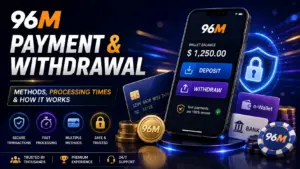
96M Payment and Withdrawal Methods: Processing Times & How It Works
Always use a payment rail registered in your true legal name, and complete your identity verification long before you need to request a payout. Touch ‘n Go, DuitNow, and FPX are the reliable local pathways; the live cashier status is the only clock you should trust. Check our payment methods hub to confirm which rails are currently active for your account.
1. Pick the Rail You Already Use
Using an unfamiliar payment method is the easiest way to send funds to the wrong place. Stick to the mobile apps you already use for everyday transfers:
- Touch ‘n Go eWallet: Highly familiar to Malaysian players and typically offers quick deposits once the wallet approves the transaction. Daily wallet spending caps still apply.
- DuitNow: A direct bank-to-bank transfer using a mobile number or ID. Near-instant processing is common, though bank maintenance windows can still cause brief delays.
- FPX Online Banking: Connects directly with major local banks. Processing follows that specific bank’s operational window, ranging from minutes to occasional scheduled maintenance holds.
- Cryptocurrency (If Listed): Use crypto only if the cashier explicitly lists it and you are completely familiar with the network. Sending funds via the wrong network can result in permanent loss, which support often cannot reverse.
The Strict Same-Name Policy
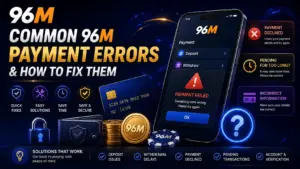
Your e-wallet, bank account, and 96M platform profile must all belong to the exact same person. Using a parent’s account, a spouse’s DuitNow, or a friend’s credit card will trigger payment holds or withdrawal refusals. If names differ, fix the mismatch before sending any Ringgit. For typical payment hurdles and troubleshooting orders, check our guide on common payment errors.
2. Understanding the Difference Between Deposit and Withdrawal Queues
Deposits represent you pushing funds into the ecosystem, while withdrawals involve the platform pushing funds out to a verified owner. The payout queue naturally requires stricter security checks.
- The Deposit Flow: Choose your method, type your MYR amount, and respect the on-screen platform minimum—never rely on forum numbers. Approve the transfer inside your banking app; a closed banking app leaves a deposit unfinished. Wait until your balance or transaction history changes, and never resend funds just because the first attempt felt slow.
- The Withdrawal Flow: Request payouts exclusively to a method under your true name. Reviews verify identity, destination, and unfinished bonus wagering. Incomplete documents cause ordinary delays, not hidden fees. Never treat processing times as a guaranteed “15-minute” promise. If status remains pending past the cashier’s window, contact support with your reference, amount, method, and timestamp. Submitting a duplicate request creates a second queue.
3. Managing Limits, Currencies, and Bonus Conditions
Platform cashier rules always override general guides. Commercial banks also enforce their own daily spending caps.
- Watch for deposit ceilings: If a deposit is rejected due to limits, splitting it can work, but firing five identical payments will trigger automated fraud alerts. One careful retry after checking your limit is enough. Always keep your account set to MYR to avoid currency conversion guesswork.
- Understand bonus holds: Wagering requirements represent a multiple of your bonus (and sometimes your deposit), and not all games contribute equally. Check active terms and progress bars before requesting payouts. Trying to clear turnover on excluded games will not move the progress bar. This restriction is part of the promotion rules, not a cashier error. To evaluate whether you should deposit at all, run small trust checks first.
4. Keeping Tests Small Until a Payout Returns
The only proof that matters to your household budget is a successful withdrawal landing safely in your personal bank account. Always test with an amount you can comfortably shrug off.
- Strict 18+ and separate wallets: Gaming platform transactions are strictly for adults aged 18 and older. Decide your entertainment budget before opening the cashier, set a session time limit, and never chase losses with bill-paying funds. Use a dedicated entertainment wallet.
- Beginner resources: If you are completely new to the platform, review our starter guides before committing to a larger first deposit.
FAQ: Payment and Withdrawal Methods on 96M
Which payment method is fastest for withdrawals?
Once approved, e-wallets and DuitNow generally process faster than traditional bank batch transfers. However, your verification status and provider maintenance windows can influence timing. Always monitor your active platform status.
Why must I complete verification before withdrawing?
Verification ensures funds are delivered directly to the legitimate account owner rather than an unauthorized party. Completing verification early removes waiting times on the day you request a payout.
Can I deposit using a family member’s e-wallet?
No. Payment methods must match your 96M account profile name. Name mismatches are the primary reason deposits and withdrawals get frozen.
What should I do if a transfer appears stuck?
Check your transaction history first and avoid sending duplicate transfers. If the status remains pending past the stated window, provide support with your transaction reference, amount, method, and timestamp.
Summary
Local payment rails work smoothly when your account name matches and you trust the platform’s cashier status above all else. Verify early, submit transactions once, and prove the withdrawal pathway with a small test payout before increasing your stakes. No guide can promise a precise minute count that commercial banks haven’t officially confirmed.